Nepal
Institutionalizing Evidence Informed Priority Setting for Universal Health Coverage
Evidence Informed Priority Setting for Universal Health Coverage in Nepal (EIPS4UHC Nepal) is a collaborative initiative between the Ministry of Health and Population (MoHP), Nepal Health Economics Association (NHEA), and Kathmandu University School of Medical Sciences (KUSMS), implemented in partnership with the Bergen Centre for Ethics and Priority Setting in Health (BCEPS) at the University of Bergen (UiB).
Funded by NORAD, the project supports Nepal’s efforts to move towards Universal Health Coverage (UHC) by making health decision-making more evidence informed, equitable, and efficient.
The Vision
The project envisions a country where health resources are used wisely, decisions are based on robust evidence, and every citizen has access to basic health services, bringing the country measurably closer to achieving UHC.
The Goal
To strengthen the country’s ability to make fair, transparent, and evidence informed decisions on Basic Health Care Services (BHCS), improving availability, access, and coverage, and supporting the Government of Nepal (GoN) in the progressive realization of UHC.
Project Objectives
-
Strengthening Evidence for BHCS
Generate and synthesize evidence on the cost, availability, access, coverage, and effectiveness of BHCS interventions. This helps to guide national and sub-national decisions on how to improve the delivery of basic healthcare services. -
Building National Capacity in Health Economics
In partnership with KUSMS, strengthen the country’s workforce through academic courses, degree programs, executive education, and professional training in health economics, equipping future leaders to use economic evidence in health planning. -
Promoting the Use of Evidence in Policy
Support continuous policy dialogue, provide analytical inputs, and strengthen decision makers’ capacity to use evidence. The project also promotes the use of the FairChoices DCP analytical tool to inform BHCS revisions and other health sector priorities. -
Institutionalizing Evidence Informed Priority Setting
Help establish the structures and processes needed for long-term, systemwide priority setting. This includes:- Establishing a FairChoices Unit at KUSMS
- Supporting MoHP analytical units
- Strengthening national priority setting mechanisms
- Developing monitoring and evaluation systems
- Supporting GoN in efforts toward sustainable financing and formal policy recognition of EIPS functions
The Team
Meet the dedicated local team leading the Nepal health benefit package design initiative.
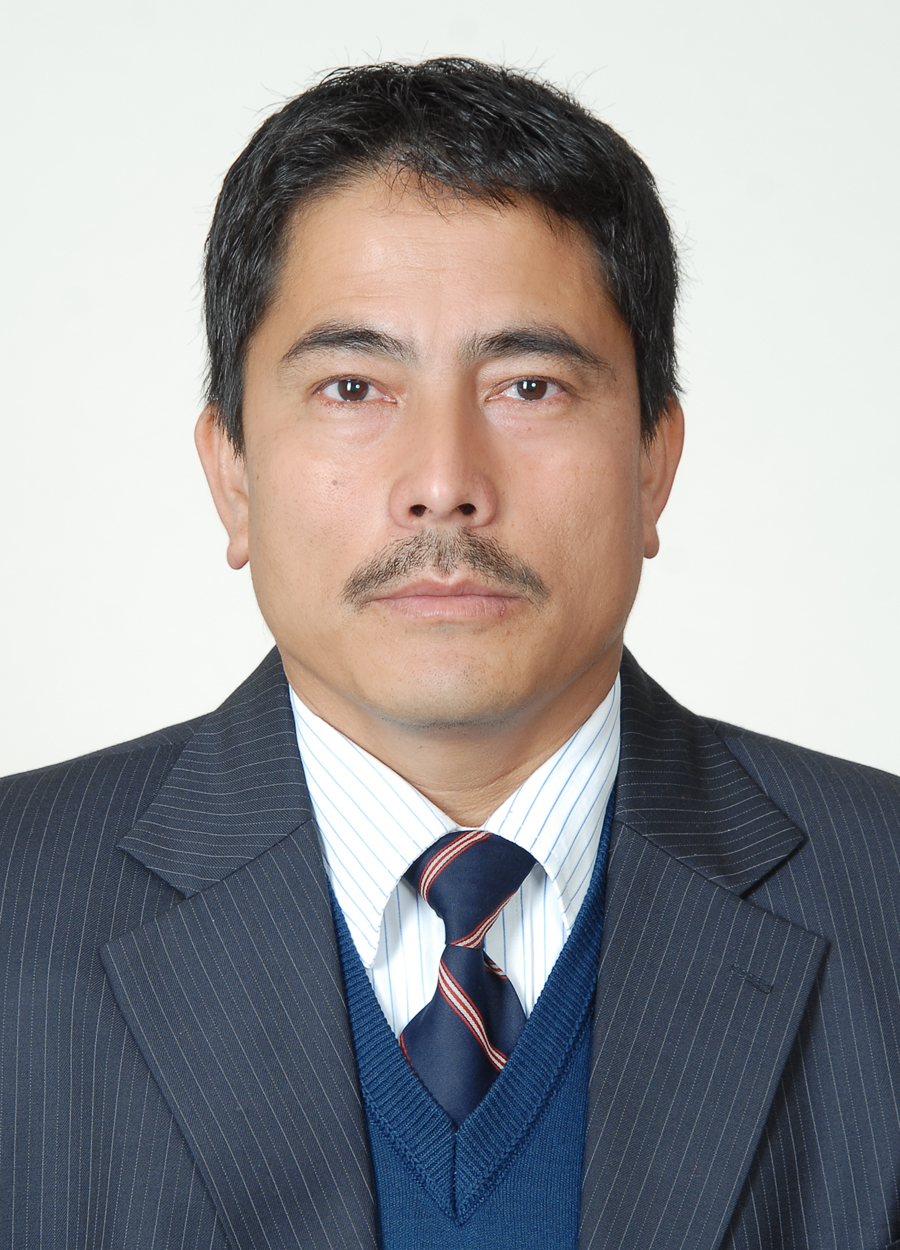
Prof Shiva Raj Adhikari
Chairperson NHEA
View Profile
Prof. Dr. Shiva Raj Adhikari is a distinguished economist and policy leader who serves as a Professor of Economics at Tribhuvan University, Nepal. Renowned for bridging academic excellence with high-level public policy, his expertise spans public finance, social protection, and macroeconomic strategy. Between 2025 and 2026, he served as Vice Chairperson of the National Planning Commission, where he shaped Nepal’s Sixteenth Plan and aligned national development with the Sustainable Development Goals and LDC graduation strategies.
Throughout his career, Prof. Adhikari has been a pivotal figure in fiscal federalism and public expenditure reform, serving on the Intergovernmental Fiscal Council to strengthen financial management. As the former Head of the Central Department of Economics, he fostered research excellence and policy-oriented scholarship. His extensive global footprint includes collaborations with the World Bank, WHO, and ADB, alongside participation in the Ministerial Leadership Program at Harvard University. With over 200 publications and thousands of citations, he remains a leading voice in evidence-based policymaking. Currently, he chairs the Nepal Chapter of the Lancet Commission on Investing in Health and leads the Nepal Health Economics Association, continuing his commitment to sustainable development and equity analysis.
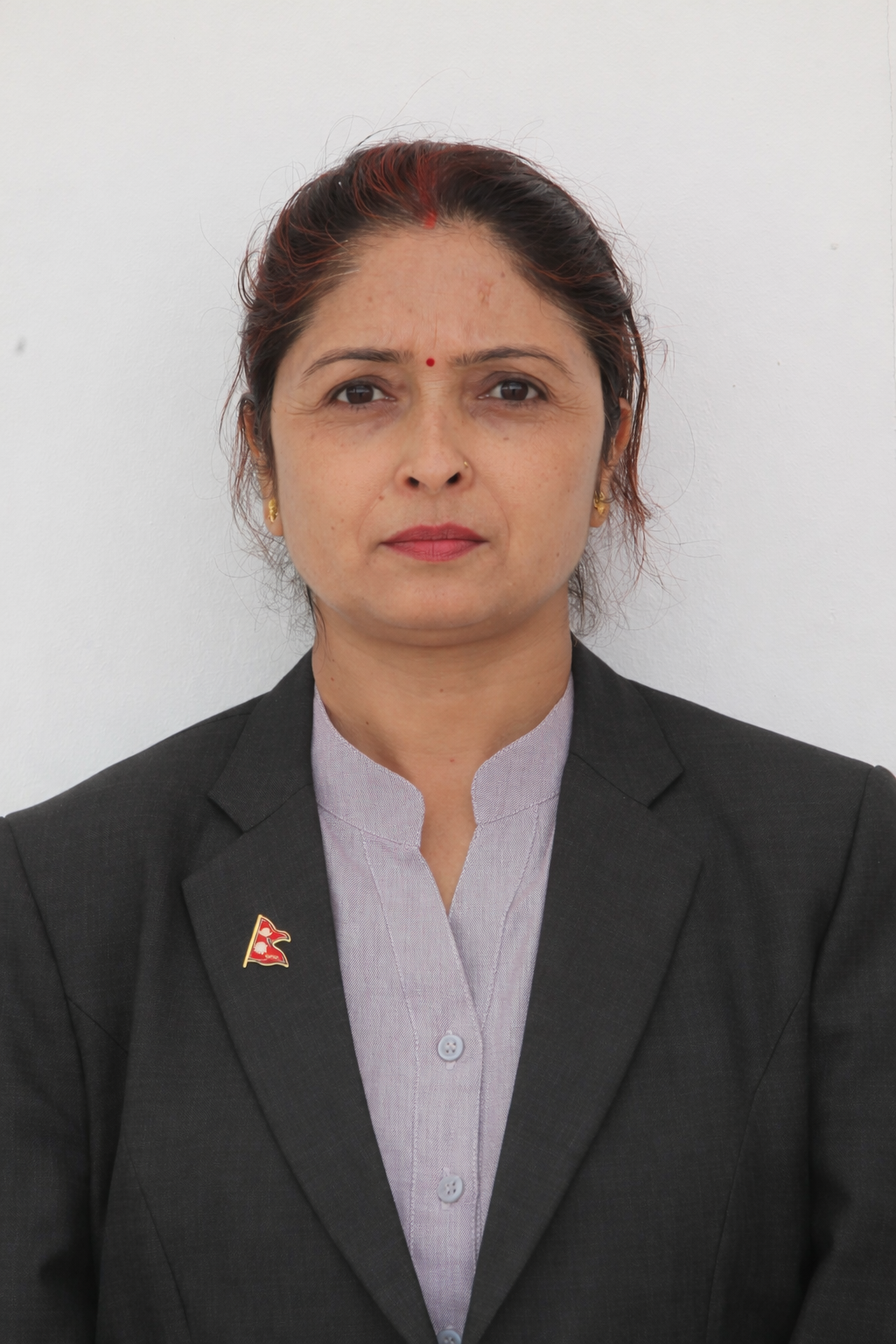
Gita Dhakal Chalise
Team Leader
View Profile
Ms. Chalise is a highly committed nursing professional/educator with over 30 years of experience in teaching and academic leadership for middle-level to postgraduate nursing education. She led and contributed to multiple research studies focused on the prevention of severe pre-eclampsia and eclampsia in Nepal and played a key role in developing an anesthesia assistant training manual and quality improvement tools for maternal and newborn health services. During the COVID-19 pandemic, she actively served as a national-level trainer, delivering capacity-building programs to more than 2,500 health professionals across Nepal. Her core areas of expertise include health services management, training, and research, with strong professional interests in leadership, human resource management, and health system strengthening. She is highly motivated and well-equipped to contribute effectively to development partner–supported programs through strong coordination, capacity building, and the application of evidence-based practices.
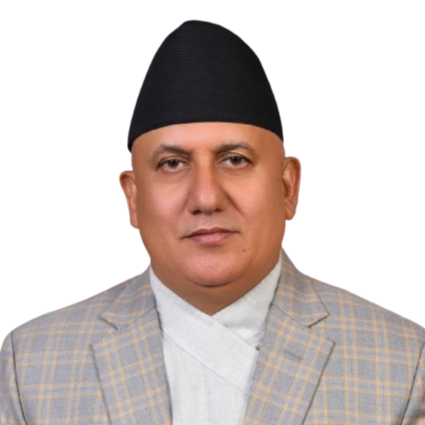
Mahendra Bikram Shah
Thematic Lead
View Profile

Mr. Shah is a public health professional with extensive experience in health policy, systems strengthening, and multisectoral development programming. He holds a Master of Public Health from the School of Public Health, BP Koirala Institute of Health Sciences, Dharan, Nepal, and is a Life Member of the Nepal Public Health Association. His professional work spans health and rehabilitation system strengthening, health sector emergencies, sexual and reproductive health and rights, inclusive disaster risk reduction (DRR), social protection, economic integration, peace building, and gender-based violence response. His significant engagement also includes human capability development by means of academic and professional activities. He is trained in child development and survival, health sector emergency, inclusive DRR, mental health and suicide prevention, health economics research, health rights programming, interpersonal communication and teaching/learning approaches from academic institutions in Sweden, Rwanda, Laos, Thailand, Vietnam, Canada, USA, India and China.
Jasmine Maskey
Senior Programme Coordinator
View Profile

Ms. Maskey is a public health professional with a Master’s in Public Health and a strong foundation in Nursing (Bachelor’s degree), both from Tribhuvan University. Over the past decade, she has built a unique blend of experience across clinical practice, research, and program coordination. She has worked with leading institutions including the Nepal Health Research Council, UK Aid’s MEOR programme, Oxford University Clinical Research Unit Nepal, and CMC Nepal, where she contributed to large-scale studies on non-communicable diseases, vaccine effectiveness, mental health and health system. As a Senior Program Coordinator, she brings extensive experience in leading multidisciplinary teams
Suman Sapkota
Senior Research Associate
View Profile

Mr. Sapkota is a dedicated public health researcher and a Life Member of the Nepal Health Economics Association (NHEA). He holds a Master of Science in Epidemiology and Health Statistics from Capital Medical University, Beijing, and specializes in quantitative and qualitative data analysis. Currently, Suman serves as a Research Associate with NHEA /Bergen Center for Ethics and Priority Setting (BCEPS), where he plays a key role in supporting Nepal’s Ministry of Health and Population to revise the Essential Health Care Package for Universal Health Coverage. His work involves data analyses, data visualization, and generating evidence for informed policy decisions using FairChoices tool.
Sandeep Ale Magar
Finance and Administration Manager
View Profile

Sandeep Ale Magar is a Finance and Administration Manager with decade of experience in the field of financial, accounting and administration experience. He is pursing M.A. in economics and is a member of ACCA. He brings experience from various sectors ranging from NGOs, INGOs, Multi-System Operator and Accounting firm. His famous quote is “Bring me the numbers”.
Shradha Dhakal
Finance and Administration Officer
View Profile

Ms. Dhakal is a dedicated finance and operations professional with over nine years of experience in financial management, administration, and human resource support within development projects in Nepal. She brings in-depth expertise in financial reporting, budgeting, payroll management, bank reconciliation, procurement processes, audit support, asset management, and compliance with donor regulations. She is also experienced in administrative operations, HR support, vendor coordination, travel management, and event organization. She holds a Master of Business Studies in Finance from Tribhuvan University.
Santosh Chhetri
Knowledge Management Consultant
View Profile

Mr. Chhetri is a development professional with over 15 years of experience. His work sits at the intersection of innovation, partnership-building, advocacy, and knowledge generation. He has worked with leading international organizations, including UNDP, UNFPA, the World Bank, and JICA, supporting multi-sectoral initiatives at federal, provincial, and local levels in Nepal. At the global level, he led a World Bank-supported Community of Practice on health financing, facilitating cross-country dialogue and knowledge exchange among policymakers and practitioners. He has led initiatives in gender equality, youth empowerment, inclusive governance, and digital innovation, translating evidence and field insights into policy-relevant action. He holds a Master’s degree.
Achyut Raj Pandey
Research Fellow
View Profile

Mr. Pandey is a public health researcher with over a decade of experience in health systems, policy, and implementation research. He holds a Master’s in public health and is pursuing a PhD in Health Economics at the Bergen Centre for Ethics and Priority Setting, University of Bergen. He has served as Senior Research Fellow at HERD International, Senior Research Advisor for the FCDO-funded Monitoring, Evaluation and Operational Research project, and Research Officer at Nepal Health Research Council (NHRC). Skilled in mixed methods and implementation science, he has led large-scale surveys, trained 1,000+ health professionals on health research, and contributed to evidence in areas like health system, service coverage, health financing, and disease burden.
Pratik Khanal
Research Fellow
View Profile

Pratik Khanal is a PhD Research Fellow in Health Economics at the University of Bergen. His research focuses on estimating the cost of cancer care and identifying cost-effective cancer interventions in Nepal. He is part of the priority setting project implemented by Nepal Health Economics Association in collaboration with Nepal’s Ministry of Health and Population, and Bergen Centre for Ethics and Priority Setting, University of Bergen.
Ravi Kanta Mishra
Research Fellow
View Profile
Mr. Mishra is a PhD research fellow at the Bergen Center for Ethics and Priority Setting, University of Bergen, where his research focuses on the efficiency of basic health care service delivery in Nepal. He holds a Master’s degree in public health and public administration from Tribhuvan University. He has a strong background in public health and health economics, with expertise in their application to national health systems. With over a decade of experience in Nepal’s government health system, he currently serves as a Senior Public Health Officer in the Policy, Planning, and Monitoring Division of the Ministry of Health and Population.
The Project Roadmap (2026–2030)
Related Outputs
đźš§ Under Development
This section is currently under development. Please check back later for updates.
Nepal Health Benefit Package Design: Federal Context Analysis
Analysis of Nepal’s federal health governance structure and implications for universal health coverage implementation across provinces.
Download Report →Mountain to Terai: Addressing Geographic Disparities in Health Access
Policy brief examining equity considerations for health benefit package design across Nepal’s diverse geographic regions from Himalayas to plains.
Read Policy Brief →Cost-Effectiveness of Essential Health Interventions in Federal Nepal
Peer-reviewed research analyzing cost-effectiveness of priority health interventions in the context of Nepal’s federal governance system.
Access Paper →Provincial Health Benefit Packages: Lessons from Multi-Stakeholder Dialogues
Presentation summarizing key insights from stakeholder consultations across Nepal’s seven provinces on health priority setting.
View Presentation →