Discover the evolution and the dedicated team of experts behind the FairChoices platform.
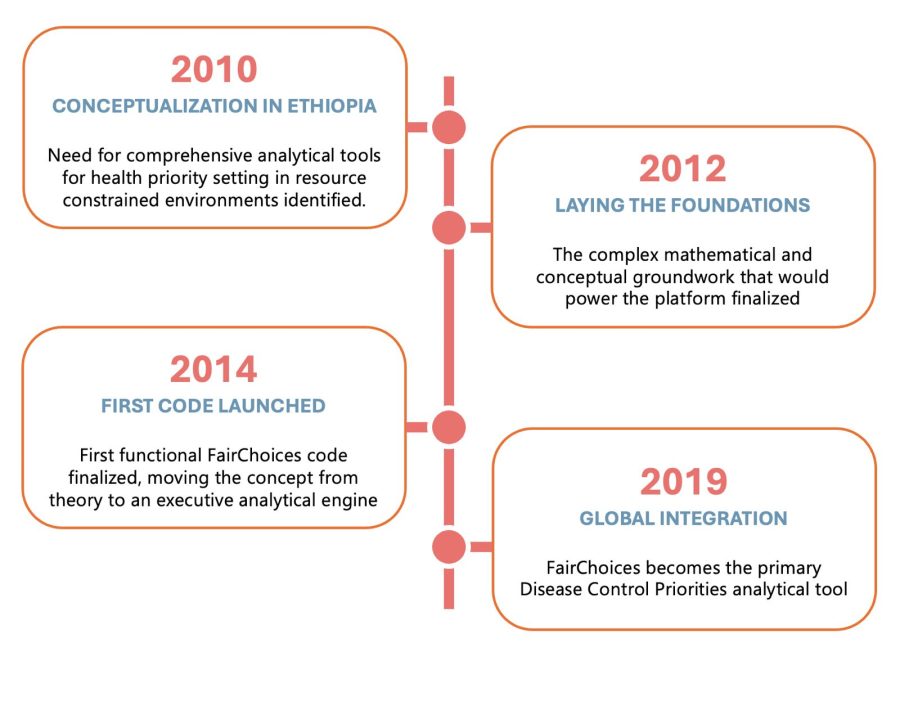
Our Evolution
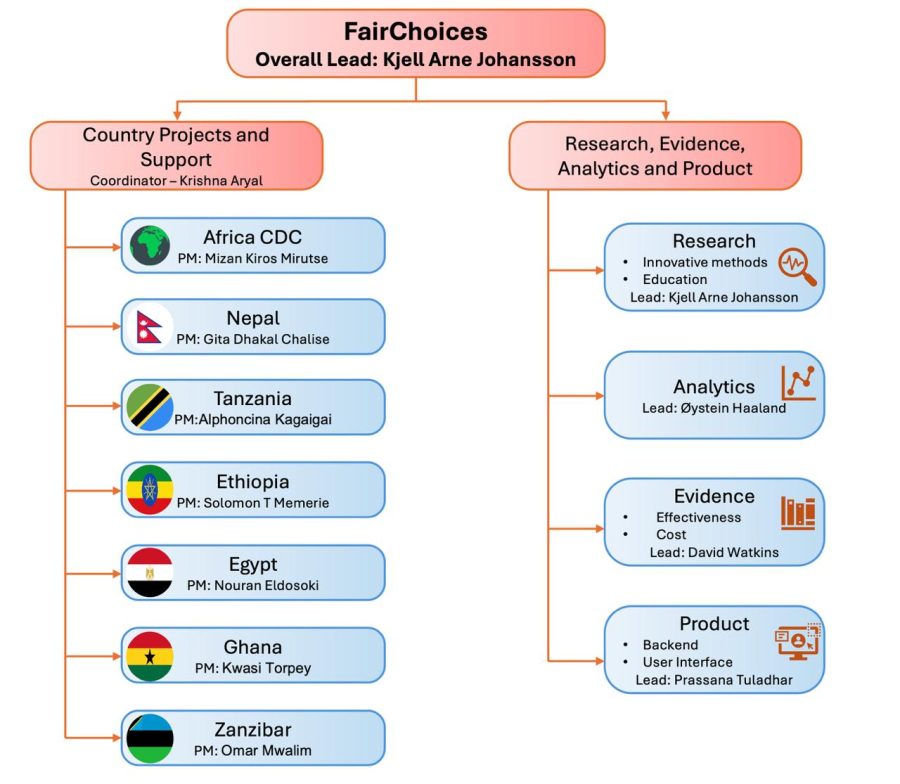
Our Structure
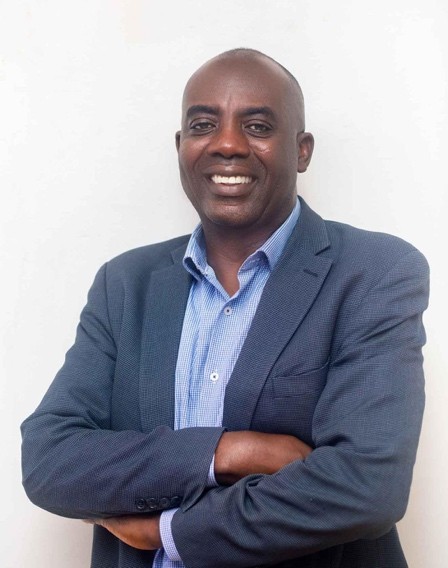
Project Lead
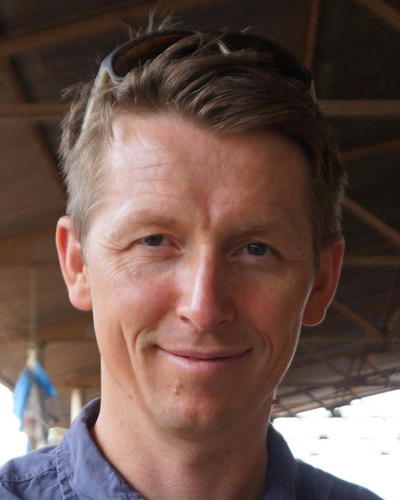
Professor Kjell Arne Johansson leads the FairChoices project and is a deputy director at the Bergen Centre for Ethics and Priority Setting in Health, Department of Global Public Health and Primary Care, University of Bergen. His research focuses on population ethics, fair priority setting in global health, and the distributional consequences of health services, including economic evaluation, health inequality, and financial risk protection. Over the past five years, he has concentrated on applied equity modelling using mathematical population models to study the broader effects of improved health-service coverage. He has contributed to methods such as extended cost-effectiveness analysis (ECEA) and distribution-sensitive cost-effectiveness analysis (DCEA), and currently leads the International Society for Priorities in Health.
FairChoices Global Teams
The FairChoices project is supported by a multidisciplinary team that combines expertise in product development, data analytics, evidence and research. This collaborative structure ensures that technical development, data analysis, and evidence-based decision-making are fully integrated across the platform.
Research Team
The Research Team supports the development of innovative methods and academic capacity strengthening, including education, training of PhD students, and research collaboration with country partners.
The Analytics Team includes a Data Analytics Lead and three Data Analysts. This team manages central data analysis workflows, develops analytical pipelines, and ensures the quality, consistency, and reliability of outputs. They oversee data quality through validation, cleaning, and harmonization, and coordinate closely with country-level data analysts, research team to incorporate contextual insights and validate country-specific datasets.
The Evidence Team includes an Evidence Team Lead and three Research Scientists. They are responsible for curating input data on the effectiveness and costs of the interventions featured in FairChoices. They conduct focused literature reviews to continually update and improve the evidence base for the tool, and to ensure standardization, they oversee similar work being done within the country teams. Additionally, they engage with topic-specific experts who are part of the Disease Control Priorities network.
The Product Team comprises of a product manager, two full-stack developers, one backend developer and a data analyst. They are responsible for designing, implementing, and maintaining the core features of the platform, ensuring robust, scalable, and high-performance system functionality. The team ensures seamless integration with analytics components, applies best practices in software development and system design, and collaborates closely with multidisciplinary teams to translate requirements into functional, efficient, and user-friendly solutions.
This multidisciplinary collaboration ensures that the platform integrates technical, analytical, and research expertise, producing contextually relevant and high-quality results for decision-making.
Country Projects & Support Teams
The core team will coordinate closely with data analysts from each country team. Each country team contributes part of their data analytical capacity to support the core FairChoices analyses. In addition, researchers involved in the project provide methodological guidance, interpret findings, and ensure that research evidence informs the platform’s development and analytical outputs.